

Power grids fail. Water mains burst. Cell towers go dark. These breakdowns cost billions and disrupt millions of lives. But what if repair crews knew exactly which equipment would fail next month? Predictive maintenance makes this possible. Sensors spot trouble brewing weeks ahead. Fixes happen on Tuesday afternoon instead of Saturday night emergencies. America’s infrastructure is getting smarter, and blackouts are becoming rare.
Understanding Predictive Maintenance
Predictive maintenance watches machines like a doctor monitors patients.. Sensors track vibrations in pumps. They measure heat in transformers. They listen to bearings spin. Each piece of equipment has its own normal heartbeat. When that rhythm changes, something’s wrong. The old way meant changing parts on a calendar. Replace filters every 90 days. Swap bearings annually. Oil changes at 5,000 hours. Plenty of good parts ended up in the trash. Meanwhile, other parts failed at 89 days or 4,999 hours. Nobody knew which would last and which would quit early.
Now sensors run all day, every day. They know when a bearing starts wobbling just a tiny bit. They feel transformers warming up degree by degree. Computers compare today’s readings to last month’s patterns. Strange changes trigger work orders. Repair trucks roll out next week, not tonight at overtime rates.
The Technology Making It Possible
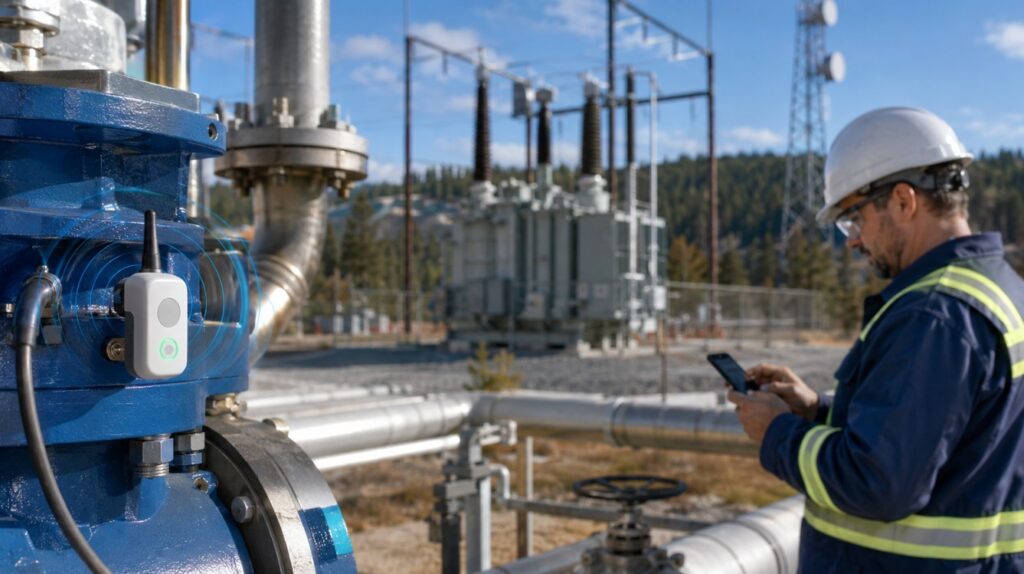
Sensors have become cheap. One device now does the job of five old ones. It measures shake, heat, sound, moisture, and electrical flow all at once. The battery inside lasts three years. Setup takes ten minutes with a smartphone app. No wires needed. Computers learned to predict failures by studying thousands of breakdowns. Software spots the warning signs faster than any human could. It’s like having a thousand experienced mechanics watching every machine simultaneously.
Companies like Blues IoT build IoT solutions for utilities that work anywhere, even underground tunnels and remote mountaintops. Their gear connects equipment in dead zones where cell phones don’t work. Suddenly, utilities can monitor infrastructure that was invisible before. Every valve, every transformer, every pump station joins the network.
Real Benefits for Essential Services
Power companies keep lights on during heat waves now. They know which transformers are struggling before temperatures hit 100 degrees. Weak equipment gets replaced in May instead of failing in July. Neighborhoods stay cool because problems got fixed before summer arrived. Water departments save millions of gallons yearly. Sensors hear pipes starting to crack underground, while connected systems can provide real-time information about water pressure and flow changes. Repair crews dig up the right spot and fix leaks while they’re still tiny. Pumps get rebuilt before they fail and flood treatment plants. Clean water keeps flowing because nothing breaks unexpectedly anymore.
Internet and phone networks barely hiccup these days. Cell tower batteries get swapped before dying during storms. Fiber optic junction boxes stay cool because fans get cleaned before overheating. That important video call doesn’t drop because the router got serviced last week, not after it crashed. Money flows back into budgets fast. Night calls with double overtime disappear. Equipment runs longer because it’s maintained properly, not run until destruction. Customers stop calling angry about outages. One prevented water main break saves enough to buy sensors for ten more pipes.
Conclusion
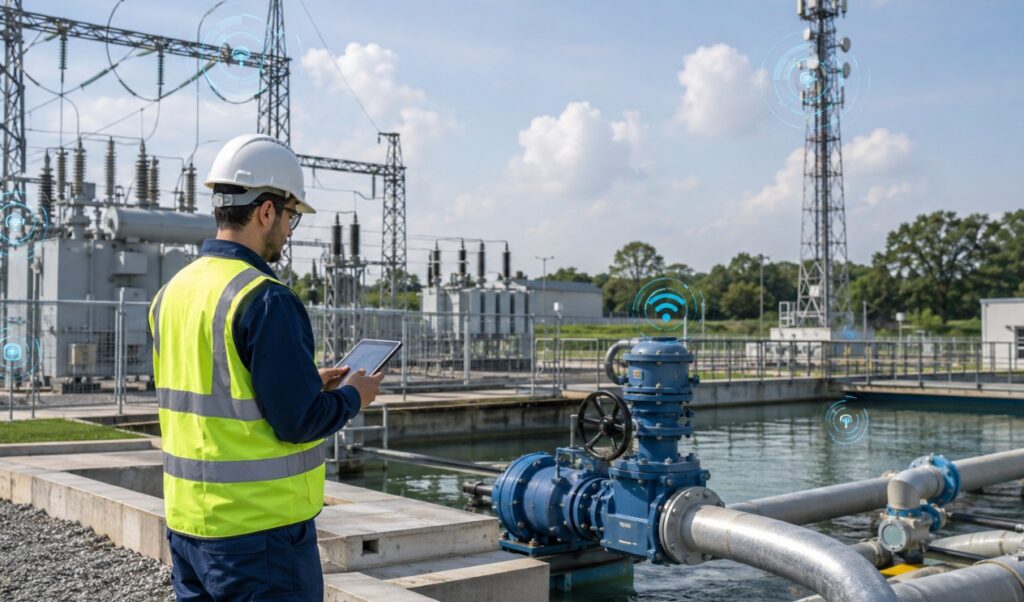
Predictive maintenance flipped the script on infrastructure management. Guessing gave way to knowing. Emergency repairs became planned events. Sensors and software team up to protect the services everyone needs. The technology pays for itself almost immediately through prevented failures and eliminated overtime. Soon, unexpected outages will seem as outdated as party line telephones. Networks are getting tougher and smarter every day. The infrastructure Americans depend on is learning to take care of itself, fixing problems before anyone notices something was wrong. That’s the real power of predictive maintenance.