

The legal battle involving Pogust Goodhead and mining giant BHP has become one of the most significant international lawsuits of recent years. At the center of the dispute is the devastating Mariana dam collapse in Brazil, a disaster that caused extensive environmental damage and affected thousands of people across multiple communities.
As the case has progressed through the courts, it has attracted attention from legal experts, policymakers, and businesses around the world. The scale of the claim, combined with its potential financial consequences, has made it a landmark example of modern group litigation.
Beyond the immediate parties involved, the proceedings have also sparked wider discussions about access to justice, corporate accountability, and the future of large scale legal claims.
The Origins Of The Mariana Dam Litigation

Source: observer.co.uk
The disaster occurred in 2015 when the Fundão tailings dam in Mariana, Brazil, collapsed and released millions of cubic meters of mining waste into the surrounding environment. The consequences were severe, affecting local communities, waterways, businesses, and ecosystems.
Pogust Goodhead became involved in representing thousands of claimants seeking compensation for losses linked to the incident. The firm’s efforts helped transform the case into one of the largest legal actions ever brought before the English courts.
The proceedings have required extensive evidence gathering, international coordination, and complex legal arguments. Because of the number of claimants and the size of the potential damages, the case has remained under intense public and legal scrutiny.
Its outcome could influence how future multinational disputes are handled in courts around the world.
The Role Of Litigation Funding

Source: youtube.com
As the case expanded, discussions increasingly focused on litigation funding reforms in the UK and their potential impact on major legal actions. Large group claims often require substantial financial backing because they can take years to reach a conclusion and involve significant legal costs.
Third party litigation funding has become an important tool that enables claimants to pursue cases that might otherwise be financially impossible. Supporters argue that such funding improves access to justice by allowing individuals and communities to challenge powerful organizations.
At the same time, critics believe greater oversight may be necessary to ensure transparency and accountability within the funding industry. These debates have become more prominent as high value claims continue to emerge across different sectors.
The Mariana litigation has therefore become part of a broader conversation about how legal actions are financed and regulated.
Why The Case Continues To Draw Global Attention
Source: pogustgoodhead.com
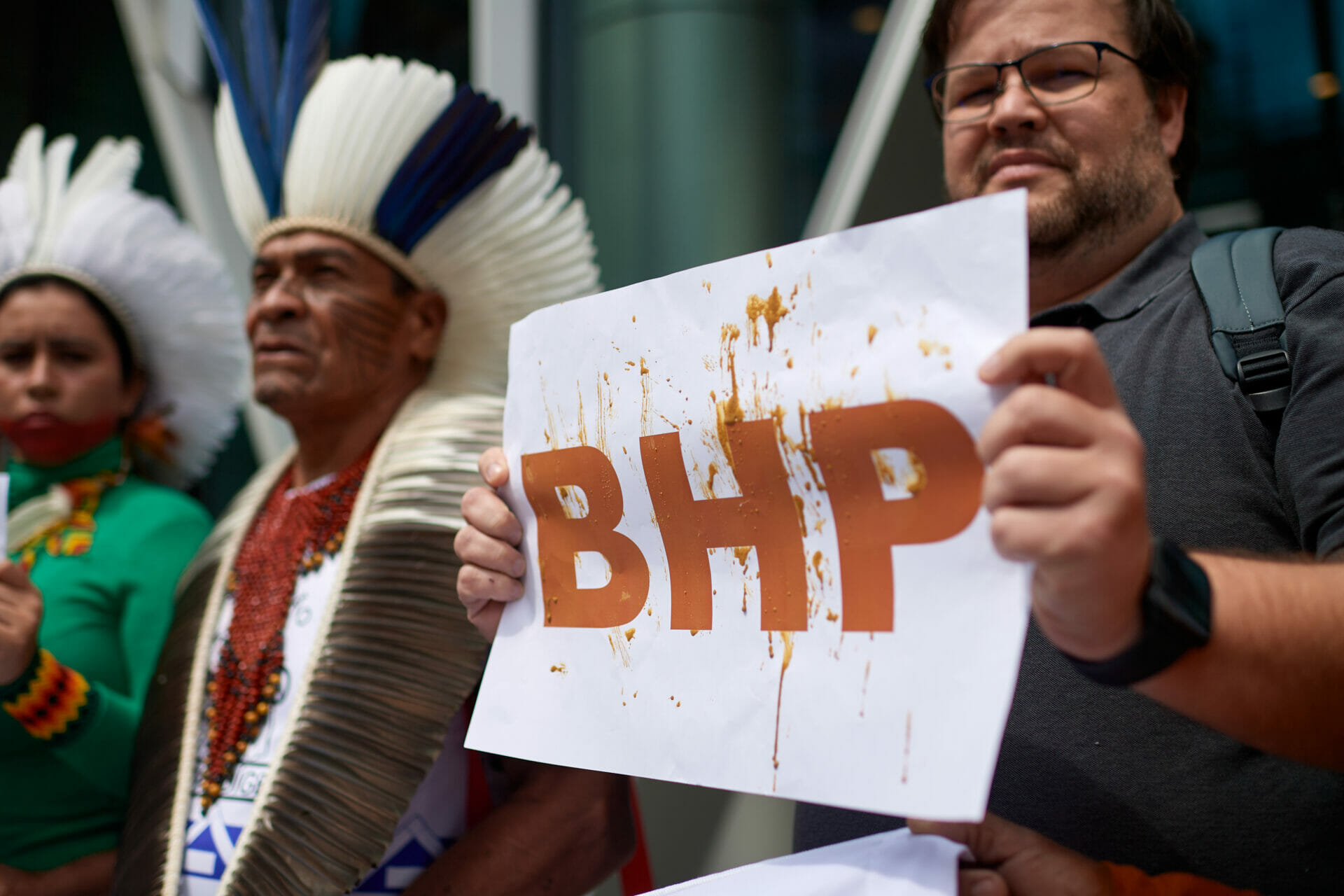
The BHP litigation remains one of the most closely watched legal disputes because of its scale and potential implications. Thousands of claimants are seeking compensation, while legal experts view the proceedings as a test of how courts handle complex international claims.
The case also raises important questions about corporate responsibility and the legal obligations of multinational companies. Environmental disasters often create challenges that extend far beyond national borders, making cross border litigation increasingly relevant.
For businesses, investors, and legal professionals, the outcome may provide valuable insights into future risk management and corporate governance strategies.
As hearings continue, attention remains focused on how the courts will address the many legal and factual issues involved in the dispute.
Conclusion
The legal confrontation between Pogust Goodhead and BHP has evolved into one of the most significant international litigation cases in recent memory. What began as a response to a devastating environmental disaster has grown into a broader discussion about accountability, access to justice, and the future of complex group claims.
With continuing interest in litigation funding reforms in the UK and growing attention on multinational legal disputes, the Mariana dam case is likely to remain an important reference point for years to come. Its final outcome could influence both legal practice and corporate decision making on a global scale.