
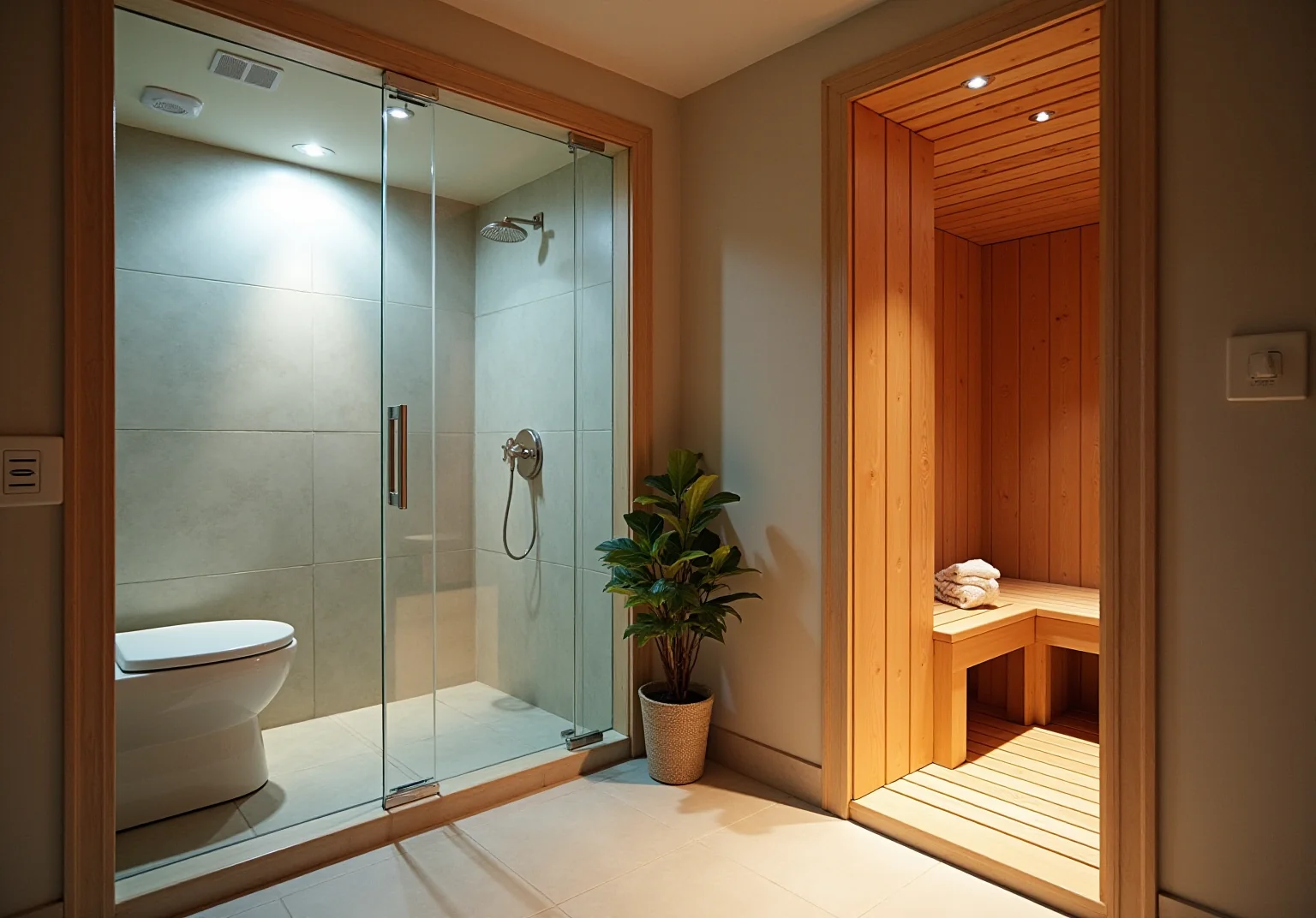
Adding a sauna or steam room can create a dedicated relaxation space and increase the appeal of a home, hotel, gym, wellness centre, or commercial property. However, a successful installation requires careful decisions about location, size, construction, utilities, and maintenance.
Saunas and steam rooms create very different environments. Understanding how each system works will help you choose an option that suits the property, expected number of users, available space, and preferred experience.
Choose Between a Sauna and a Steam Room
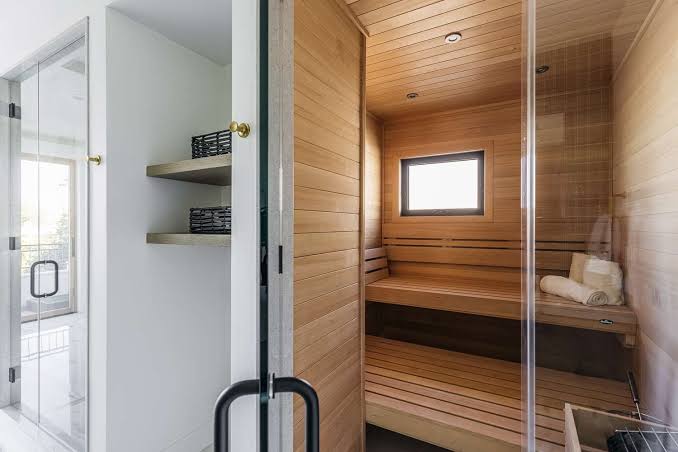
A traditional sauna uses a heater to produce high temperatures with relatively low humidity. Timber is commonly used throughout the interior because it remains comfortable to touch and contributes to the familiar sauna atmosphere.
A steam room operates at a lower temperature but maintains very high humidity. Its walls, ceiling, benches, joints, and floor must withstand constant moisture and condensation. Suitable waterproofing, non-porous finishes, drainage, and ventilation are therefore essential.
Learn insights into what a custom-built sauna can do for your home or commercial business and browse options that could best fit your premises. A customised design can make better use of unusual room dimensions and accommodate specific seating, heating, lighting, or control requirements.
Think about who will use the facility and how often. A private household may need a compact system for a few users, while a hotel, gym, or wellness centre requires durable equipment capable of operating for longer periods.
Assess the Available Space and Utilities
The proposed location must provide enough space for the enclosure, benches, equipment, safe access, and required clearances. Measure the complete area and consider ceiling height, door position, surrounding rooms, and any existing structural limitations.
Sauna heaters and steam generators require an appropriate electrical supply. Larger commercial systems may need upgraded wiring, dedicated circuit protection, or three-phase power. An appropriately qualified electrician should assess the property before equipment is ordered.
A steam room also needs a water supply and effective drainage. The steam generator is normally positioned outside the enclosure in a dry, accessible area where it can be inspected and serviced.
Ventilation is important for both options. A sauna needs controlled airflow to support comfortable heating, while a steam room requires a strategy for managing moisture and drying the space after use. Poor ventilation can contribute to odours, mould, material deterioration, and damage to surrounding areas.
Plan for Installation and Long-Term Maintenance
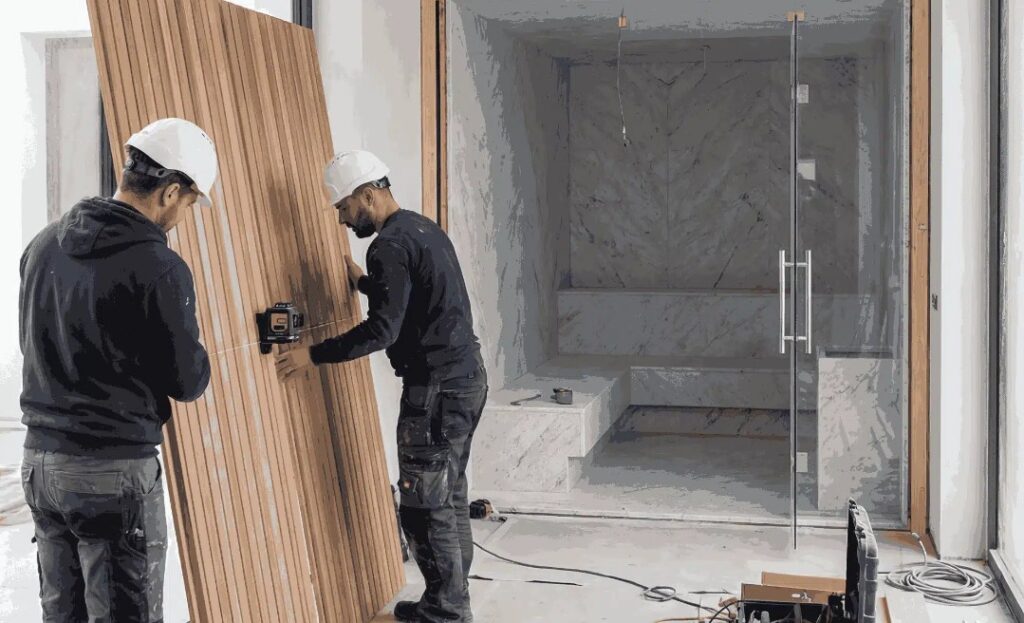
Installation costs extend beyond the main heater or generator. The budget should include structural preparation, insulation, vapour barriers, waterproofing, interior finishes, benches, lighting, controls, ventilation, plumbing, electrical work, and professional labour.
Material quality has a direct effect on durability. Sauna timber should be suitable for repeated heat exposure, while steam-room surfaces and adhesives must tolerate constant humidity and regular cleaning.
Commercial installations may also need to meet additional accessibility, safety, occupancy, and operational requirements. Controls should be easy for staff to manage, and protective features may be required around heaters or other hot components.
Ask about cleaning routines, recommended service intervals, warranties, replacement parts, and local technical support. Sauna stones require periodic inspection, while steam generators may need flushing and descaling to control mineral buildup.
Allow service access when designing the room. Concealing equipment without a practical access point can turn routine maintenance into expensive and disruptive building work.
Conclusion
Adding a sauna or steam room begins with choosing the experience that best suits the property and its users. Space, utilities, moisture management, heating capacity, construction materials, and expected usage must all be evaluated before installation.
With professional planning and correctly selected equipment, the finished facility can operate safely, efficiently, and reliably. Considering maintenance from the beginning will also protect the investment and help the sauna or steam room remain appealing for years.