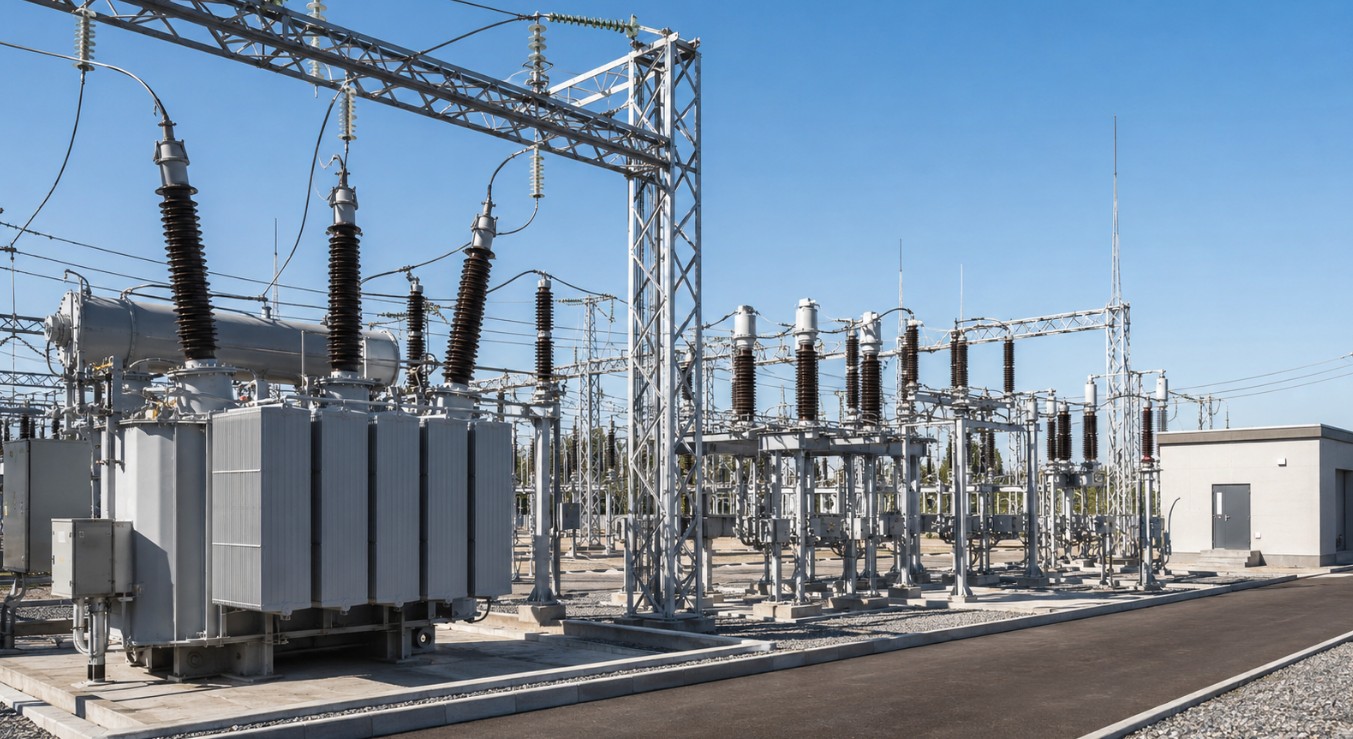
A modern high-voltage electrical substation must safely transform, control, protect, and distribute electricity across a power network. Its design affects system reliability, worker safety, maintenance requirements, environmental performance, and the ability to meet future demand.
Developing a successful substation requires coordination between electrical, civil, structural, communications, and environmental specialists. Each decision must account for network conditions, site limitations, applicable standards, equipment ratings, and operational risks.
Electrical Studies and Equipment Selection
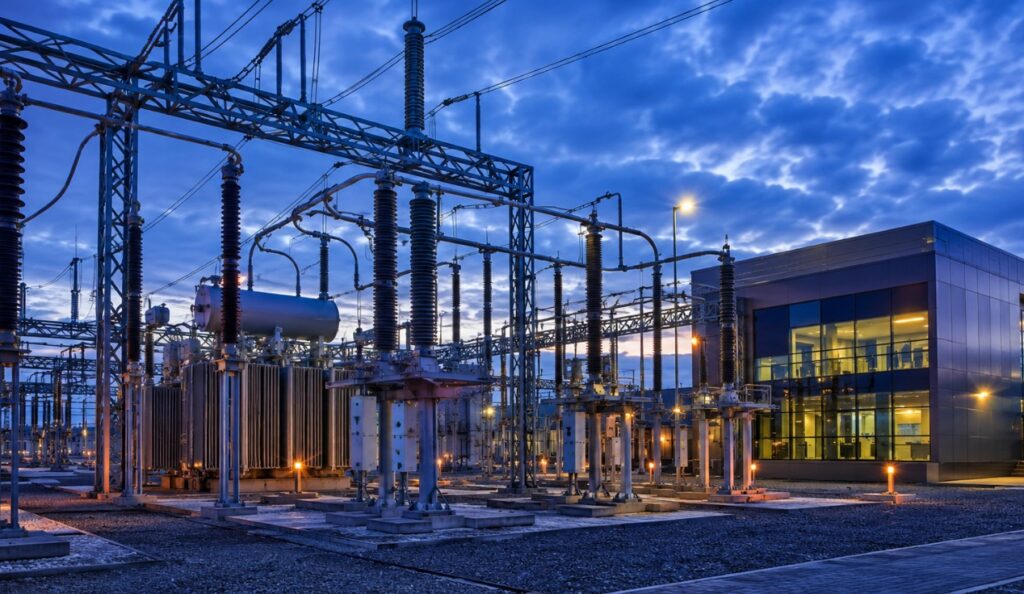
Design begins with understanding the substation’s purpose, required voltage levels, connected loads, and expected power flow. Engineers complete load-flow, fault-level, insulation-coordination, and other technical studies to establish the performance requirements.
Organisations planning complex power infrastructure can explore specialist substation engineering (find here) to understand the design, analysis, documentation, and technical coordination required throughout the project.
Major equipment may include power transformers, circuit breakers, disconnectors, busbars, instrument transformers, surge arresters, and reactive power equipment. Every component must be rated for normal operating conditions and the electrical and mechanical stresses created by faults.
The selected arrangement also influences reliability. Single-bus designs may be suitable for less critical applications, while more complex configurations can provide alternative power paths and allow maintenance without disconnecting the entire facility.
Protection, Control and Substation Automation
Protection systems detect abnormal conditions and isolate affected equipment before a fault causes wider damage. Relays, current transformers, voltage transformers, and circuit breakers must be coordinated so that the correct part of the network disconnects quickly.
Modern substations use digital control and monitoring systems to provide operators with real-time information. These systems can display equipment status, voltage, current, temperature, alarms, and other measurements from a remote control centre.
Communication networks allow protection devices and intelligent electronic equipment to exchange information. Their design must account for speed, reliability, interoperability, cybersecurity, redundancy, and the possibility of communication failures.
Auxiliary systems are equally important. Batteries and chargers provide dependable direct-current power for protection, controls, alarms, and circuit-breaker operation if the normal station supply is interrupted.
Site Layout, Safety and Environmental Planning
The physical layout must provide safe electrical clearances while allowing equipment to be installed, inspected, maintained, and eventually replaced. Designers consider access roads, lifting requirements, cable routes, drainage, fencing, lighting, and space for future expansion.
A carefully designed earthing system controls fault current and limits dangerous touch and step voltages. Soil resistivity, fault levels, equipment positions, metallic structures, and boundary fencing all influence the final earthing arrangement.
Fire protection and oil containment are particularly important around power transformers. Separation distances, fire barriers, drainage systems, and containment structures can limit the consequences of equipment failure and prevent oil from reaching the surrounding environment.
Site-specific hazards may include flooding, bushfire, lightning, wind, extreme temperatures, salt, dust, vegetation, and wildlife. Equipment enclosures, foundations, insulation, drainage, and maintenance programmes should be designed to address these local conditions.
Noise and visual impact may also affect planning approvals, particularly near residential areas. Acoustic barriers, transformer selection, landscaping, and compact equipment arrangements can reduce the substation’s effect on neighbouring properties.
Conclusion
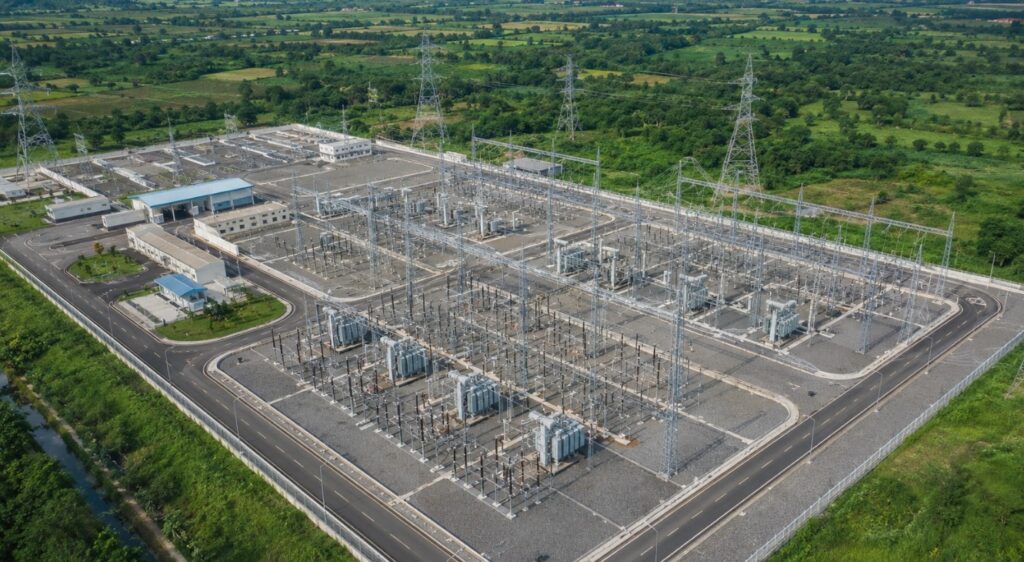
Designing a modern high-voltage substation involves far more than selecting transformers and switchgear. It requires detailed electrical studies, coordinated protection, reliable automation, safe physical layouts, and careful environmental planning.
When future expansion, maintenance access, cybersecurity, and site risks are considered from the beginning, the completed substation can provide safe and dependable power distribution throughout its intended operating life.