
It can be tough to justify certain expenses when you are already pushing your budget to the absolute limits. When money is tight, one of the last things people think about is electronic home security. But did you know that home security on a budget is possible? You will not get a top-of-the-line system with all the bells and whistles, but you can buy an entry-level system and keep it affordable.
Balancing a limited budget with the need for peace of mind is not easy. The key is to understand your options and then compare them to your goals and budgetary constraints. In the end, if all you can afford are entry sensors and a single camera, that might be better than nothing at all.
DIY vs. Professional Home Security
The line of demarcation for many homeowners is DIY home security versus a professional package. Traditionally, professional packages have been more expensive because they include installation and monthly monitoring. On the other hand, DIY systems are installed by homeowners. Homeowners can monitor them as well, with no need for a monthly monitoring package.
The good news for today’s homeowners is that some of the biggest names in home security understand the price point dilemma. Take Vivint Home Security. They recently introduced their affordable HomeProtect package. It is an entry-level system that can be purchased with or without a monthly monitoring contract. Either way, homeowners get free professional installation.
If HomeProtect is still outside the budget, plenty of DIY brands are available. SimpliSafe is one of the best known. DIY home security can be less expensive if you choose the right brand. But it can also be just as costly as professional home security.
Source: exportersvyapar.com
An Entry Level System Defined
Whether a homeowner chooses DIY or professional home security. A big question remains: what actually constitutes an entry-level system? Here is a sampling of what most first-tier security systems include:
- Security hub – Whether presented as a base station or a keypad mounted on the wall, most entry-level systems include some sort of hub that acts as a centralized control center. The system can be armed and disarmed from this hub.
- Door/Window sensors – Contact sensors for both windows and doors are baseline. You would be hard-pressed to find a home security system that does not include them.
- Motion sensor – Because equipping every first-floor window could be cost-prohibitive, many entry-level systems include a motion sensor. Ideally, this sensor would be placed in the biggest first-floor space in the home.
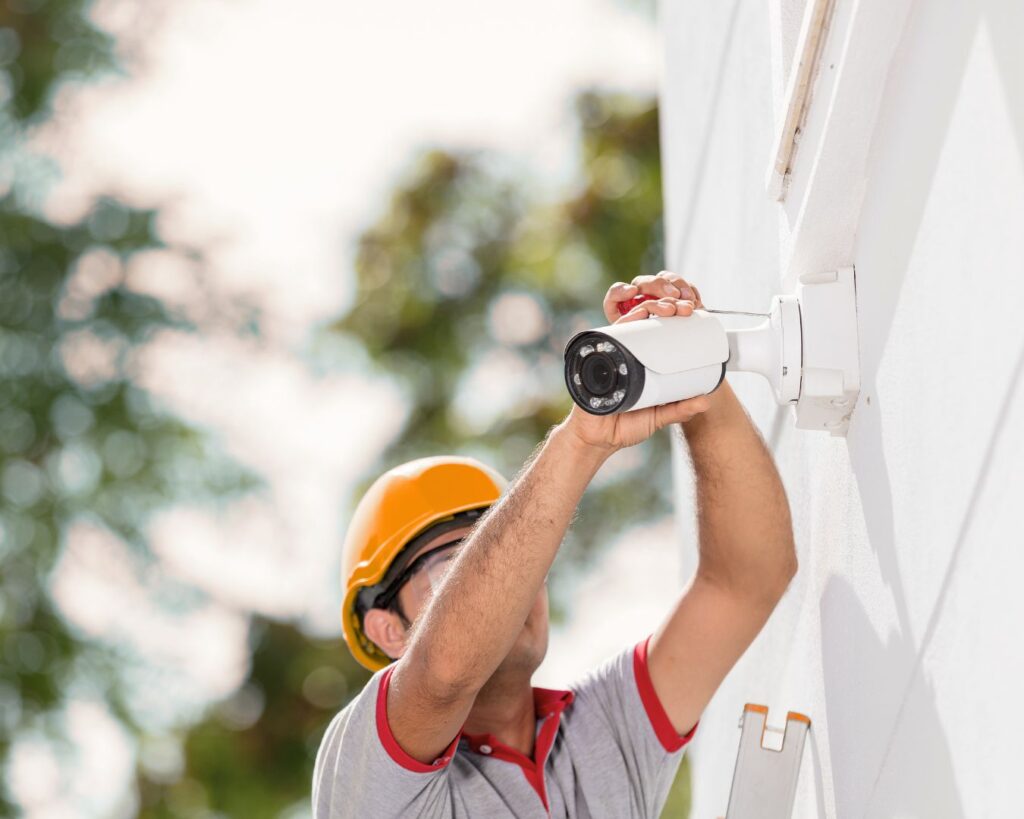
Nearly all modern home security systems include a companion mobile app. HomeProtect certainly does. Some security providers also throw in a single video camera with their entry-level systems. This can be either a video doorbell or an exterior camera that gets mounted on the side of the house.
4 Things Every First-Timer Should Know
When every penny counts, first-time home security buyers should be aware of some of the ins and outs that come with electronic home security. Again, we turn to Vivint. Here are four things they say first-timers should be aware of:
1. The Camera Trap
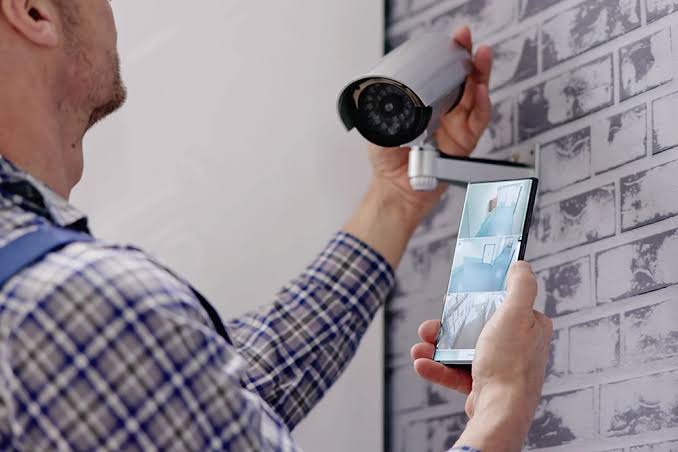
First-timers tend to consider cameras the most important feature in their home security systems. Cameras are important, but it is easy to fall into what the industry refers to as the ‘camera trap’. In other words, you can spend a lot of money on cameras that don’t do any good because they are not installed in the right places. You can also spend a lot of money to store video and monitor your feeds in real time.
If the budget is tight, it is best to start with a single camera. It should give a clear view of the front door. Consider adding more cameras when you can afford to do so.
Source: gwsecurityusa.com
2. Self-Monitoring Can Be Tricky
You can definitely save by monitoring your security system on your own, but self-monitoring can be tricky. Your phone needs to always be on, and you need to be paying attention to every notification that comes in. Otherwise, you might learn too late that there is a problem at home. Perhaps a better option is a system that offers month-to-month monitoring without a contract.
3. Homeowner’s Insurance Discounts
While it is true that many insurance carriers are now offering discounts for electronic home security, they do not all look at security systems the same way. Before you buy anything, take a look at your policy or call your agent. Why? Because some carriers only offer insurance discounts for professionally installed and monitored systems. You could invest in a DIY system only to find that your insurance premiums do not go down.
On the other hand, the discount your carrier offers might be generous enough to actually cover the cost of a more advanced system with monthly monitoring. The point is to know where you stand with your insurance before you start buying equipment.
4. The Power of Visual Deterrence
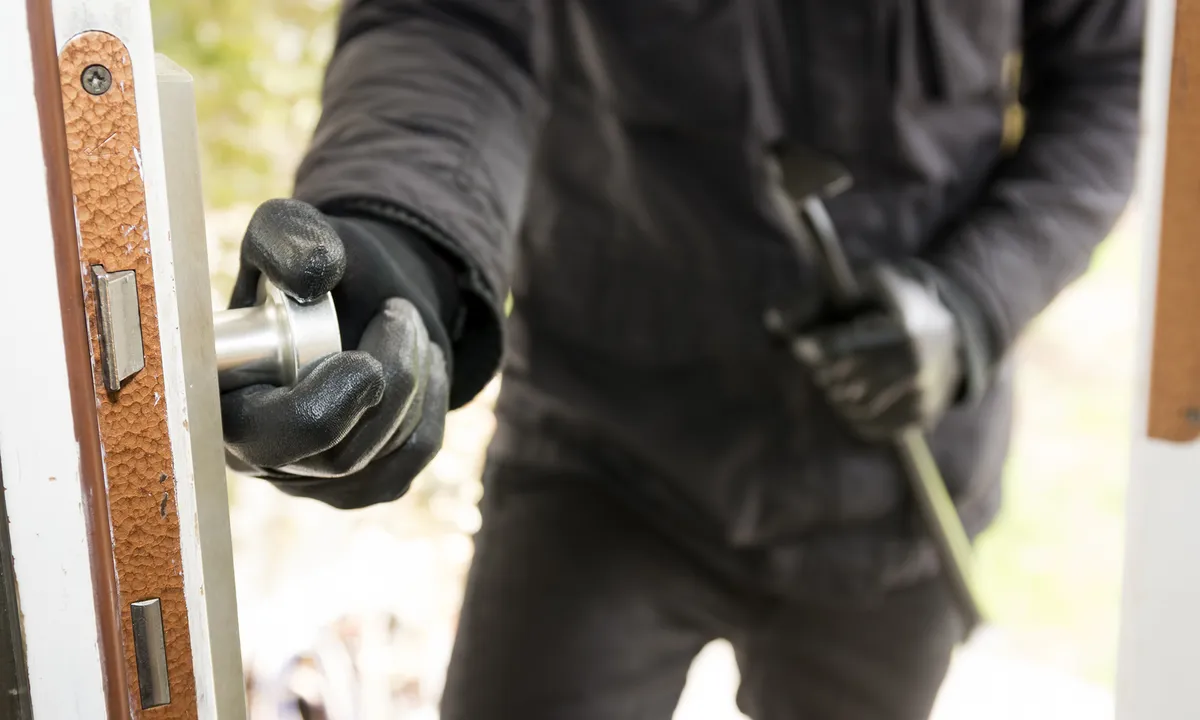
Finally, Vivint says homeowners should not underestimate the power of visual deterrence. Burglars are deterred by homes that are difficult to break into. So if you want to keep burglars at bay, create that visual.
Home security companies provide placards and window decals for this very purpose. As a homeowner, you can increase the impact of those visuals by installing motion-sensitive lighting and keeping your yard neatly trimmed and clear of debris. Just making burglars aware that you are diligent about taking care of your home will give them pause.
Source: home.howstuffworks.com
What You Can Afford vs. What You Can’t
You may be among those homeowners who have avoided home security because money is tight. Your concerns are reasonable, but look at it another way: what can’t you afford to lose? If your home has valuables that are too costly to replace, would it be cheaper to invest in an entry-level home security system?
The limited amount you spend could prove to be a more valuable investment down the road.