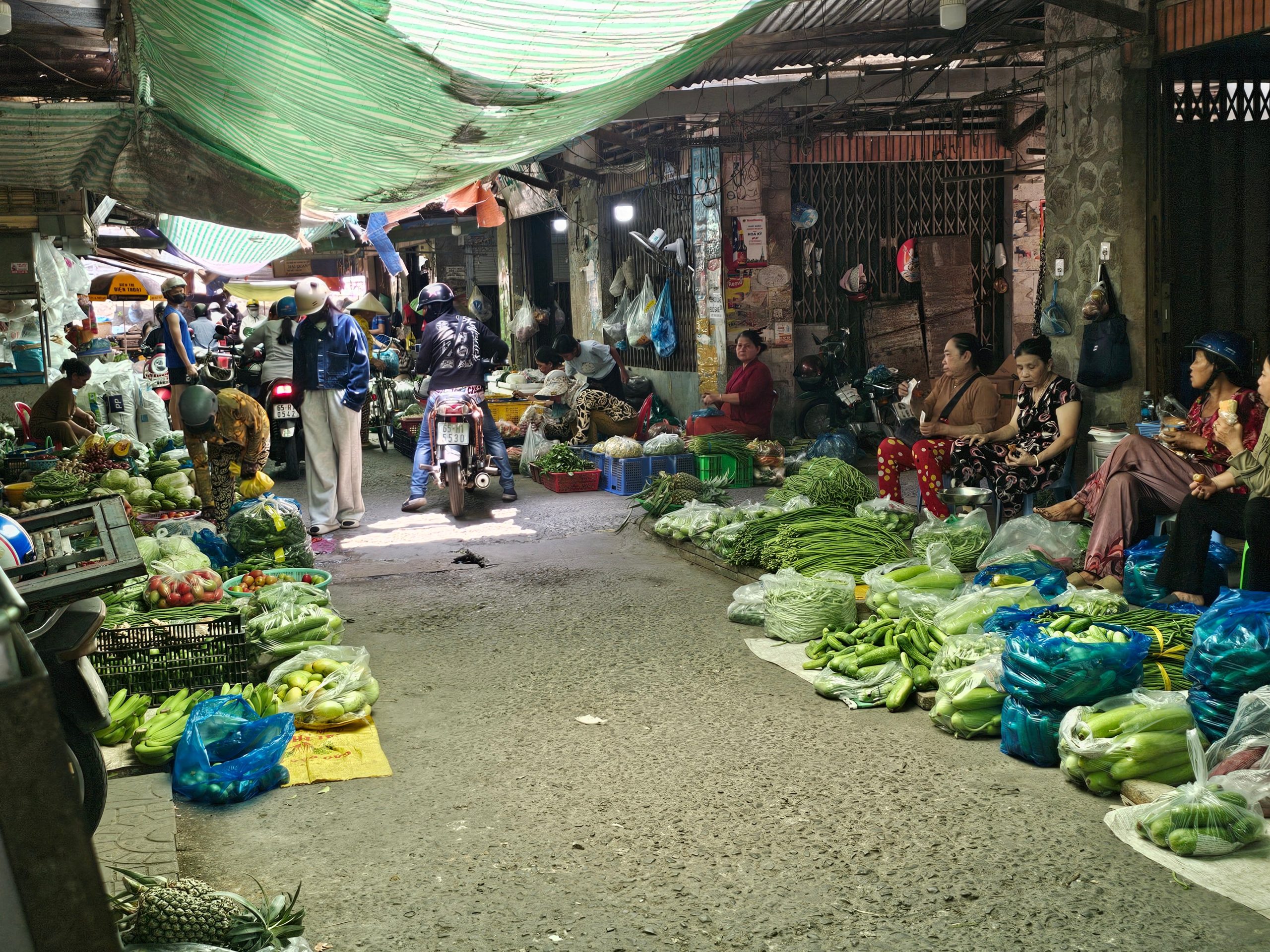
Southeast Asia is home to more than 600 million people across ten countries, and its communities are shaped as much by local customs as by national borders. Village crafts, family gatherings, seasonal festivals, and everyday skills all help define what it means to belong to a place. This article explains how local identity works, why it matters for the future of these communities, and which factors tend to determine whether traditions remain vibrant.
Table of Contents
- What Local Identity Means
- Crafts and Living Heritage
- Skills Passed Down Through Generations
- Family and Community Gatherings
- Festivals and Shared Celebrations
- How Local Identity Shapes Community Outcomes
- What Comes Next for Local Identity
What Local Identity Means
Local identity is the set of practices, languages, values, and places that a community recognizes as its own. In Southeast Asia, this identity often sits alongside national and regional identities rather than replacing them. A village may feel strongly connected to its own architecture and customs while also participating in national life and regional networks.
International bodies have long recognized this layered quality. The UNESCO Intangible Cultural Heritage programme describes living heritage as the practices, knowledge, and expressions that communities recognize as part of their identity, and it notes that this heritage adapts over time while reinforcing respect for cultural diversity. Several elements of this kind are shared across borders, which is one reason local identity can support regional cooperation.
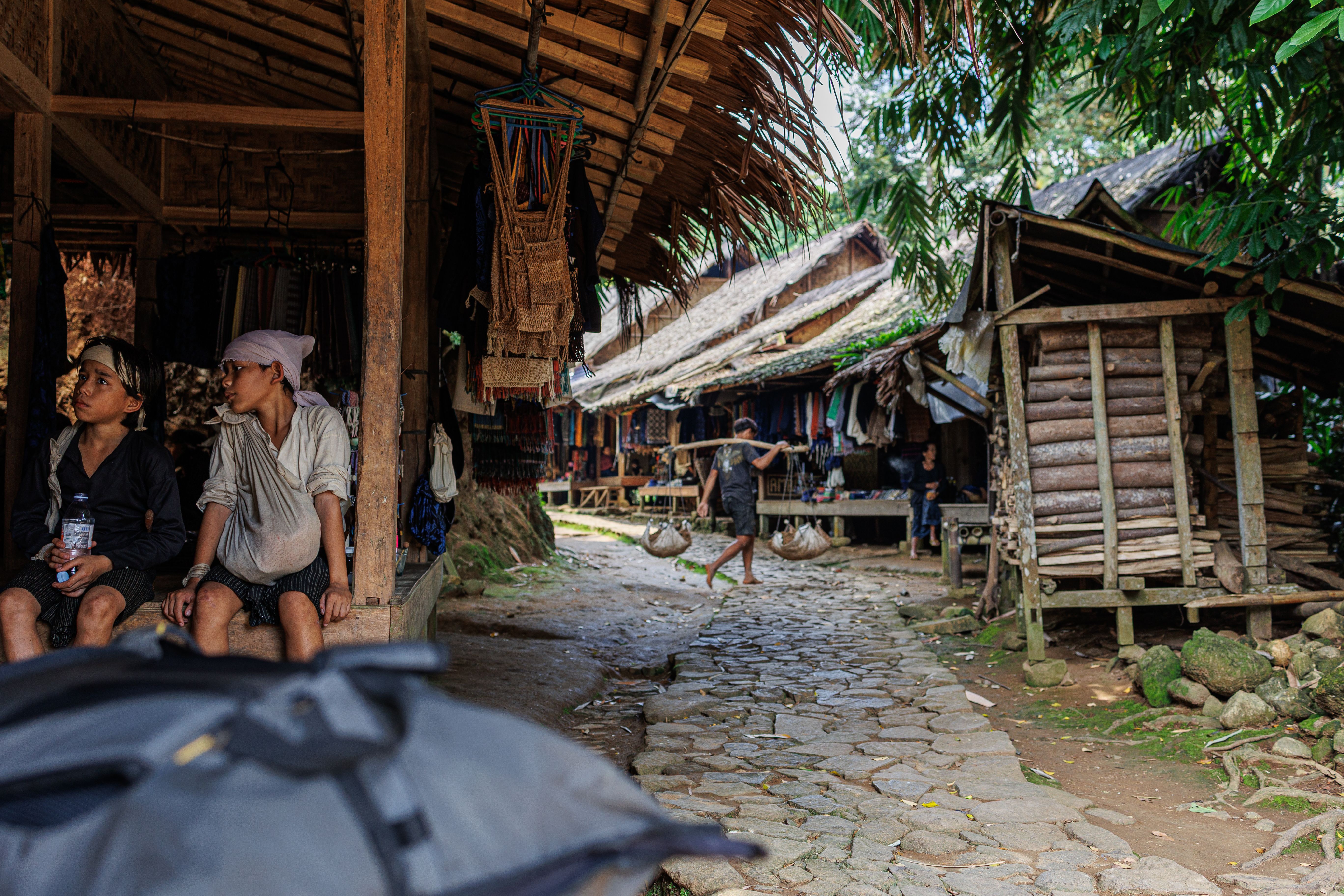
Several features commonly define local identity in the region:
- Language and dialect, including oral forms such as proverbs, verse, and storytelling
- Material culture, such as architecture, textiles, and handmade objects
- Social rituals, including weddings, harvest observances, and religious events
- Shared spaces, such as markets, village squares, and communal kitchens
Crafts and Living Heritage
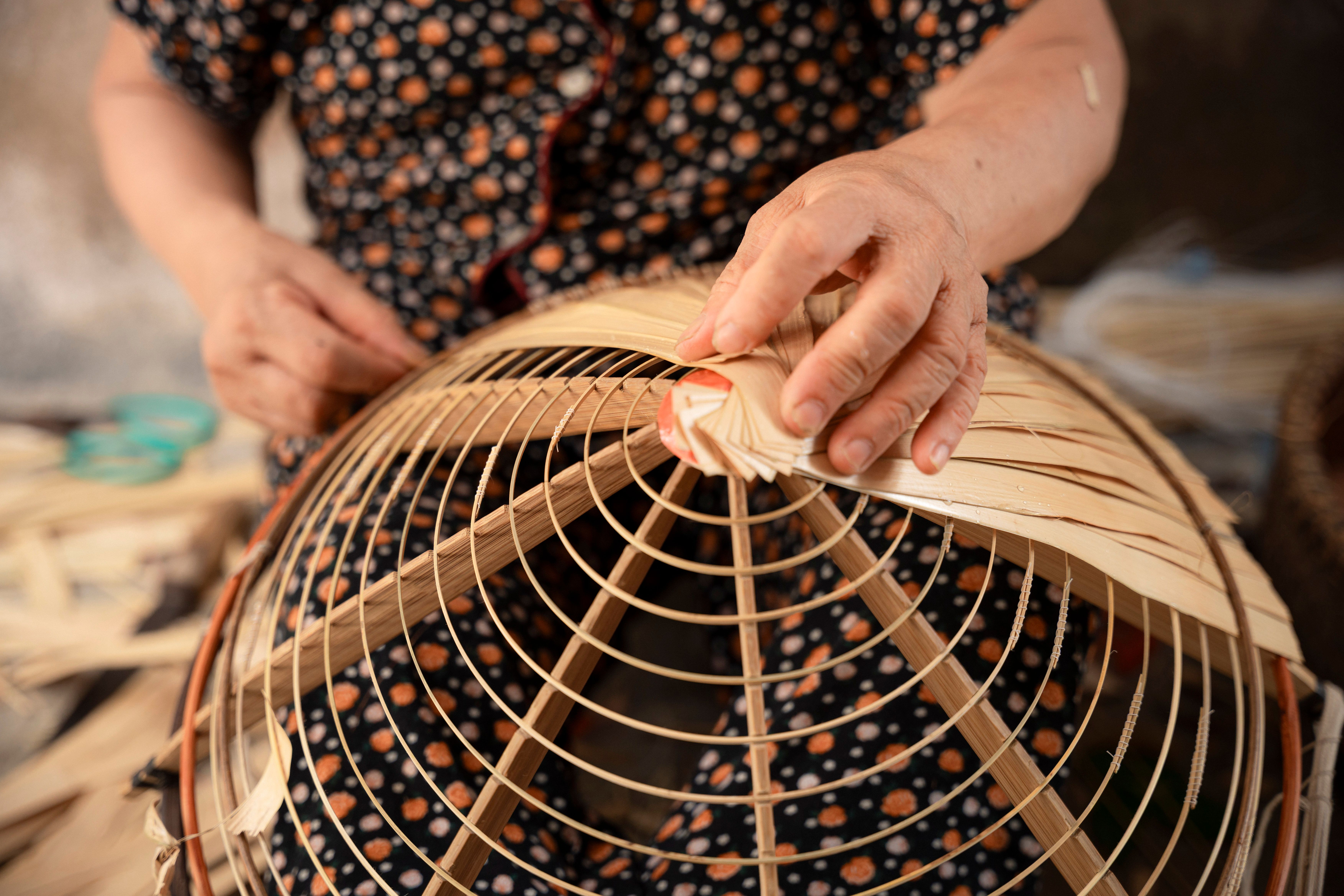
Handicrafts are one of the most visible expressions of local identity. A pattern, a weave, or a shape of hat can carry information about where a community comes from and how its members see themselves. Because crafts are made by hand and often in small workshops, they also depend on people who continue to practice them.
Craft traditions tend to remain viable when they connect to contemporary needs. Artisans may adapt designs for new markets while keeping core techniques intact. This balance between continuity and change is central to how local identity develops over time, and it is one reason heritage experts often describe traditions as living rather than fixed.
Skills Passed Down Through Generations
Many local skills are transmitted informally, from one generation to the next, within families and neighbourhoods. Learning often happens through observation and practice rather than through formal instruction. This informal transfer gives communities a way to keep their knowledge close to home, while newer formats such as schools and workshops can widen access.
Skill transmission generally supports local identity in several ways:
- It keeps techniques connected to the people who use them
- It creates intergenerational conversation about values and history
- It gives young people a practical reason to stay engaged with their community
- It can open small-scale employment in local crafts and related trades
The outcome depends on local circumstances, including access to materials, the availability of training, and demand for handmade goods. Where these conditions are present, skills often remain active. Where they are absent, traditions may fade even when communities value them.
Family and Community Gatherings
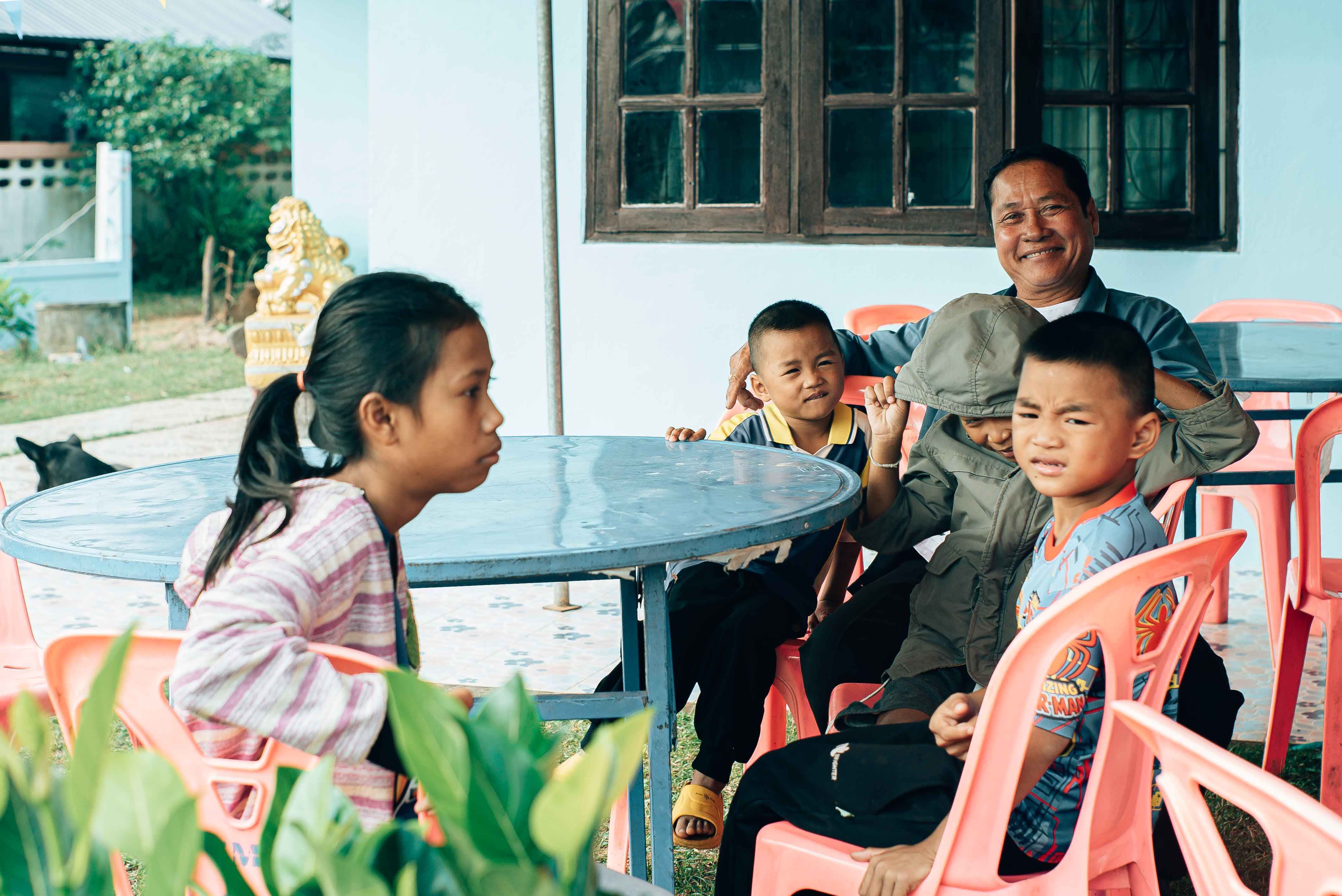
Shared meals and gatherings are among the most ordinary yet powerful carriers of local identity. Recipes, seating customs, and conversation topics all reflect what a community values. These gatherings also give people repeated opportunities to renew relationships across households and generations.
Researchers studying community life often point to the role of such everyday settings in building social cohesion. Regular contact, shared responsibilities, and mutual support can make a neighbourhood feel more resilient, especially during periods of economic or environmental change.
Festivals and Shared Celebrations
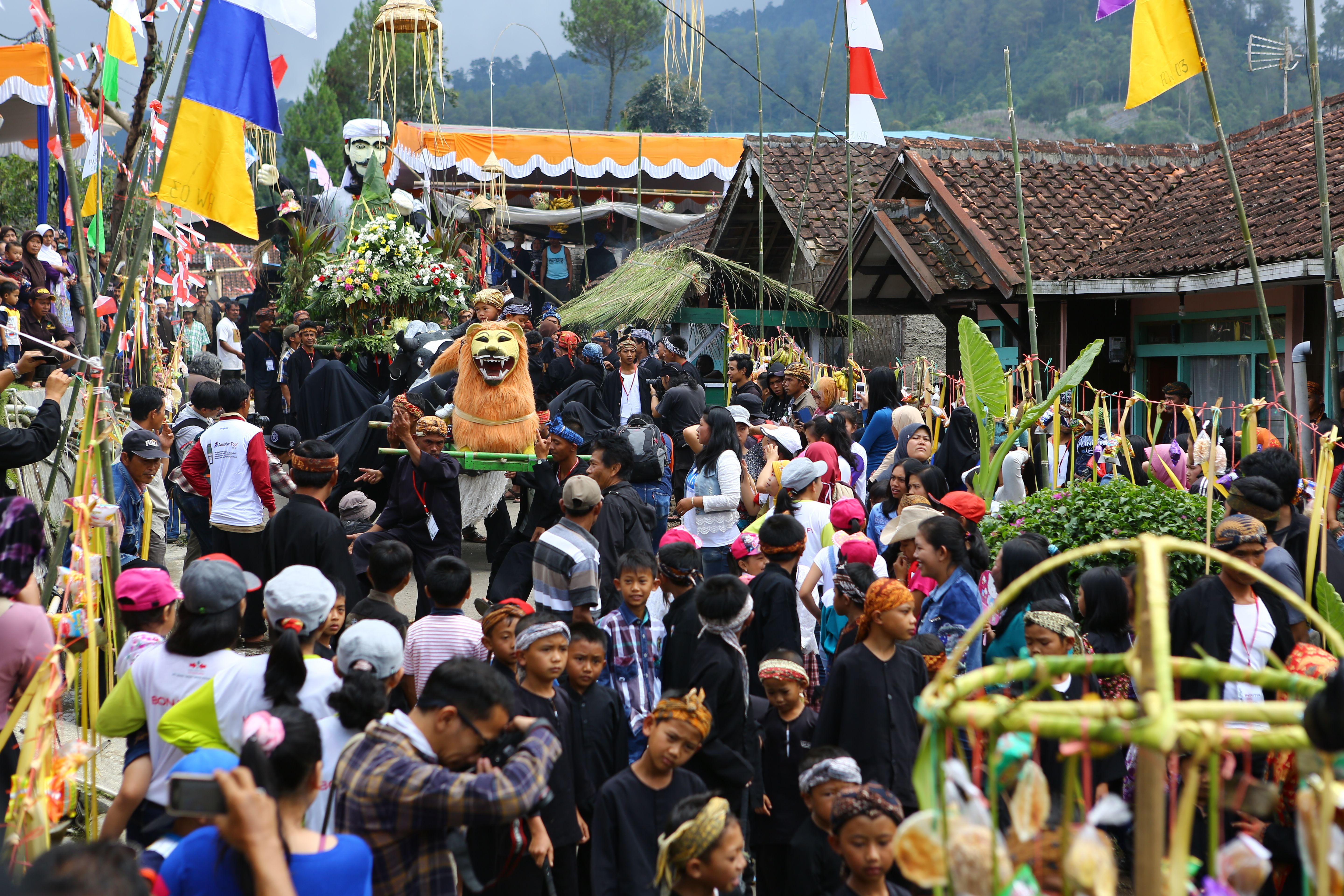
Festivals bring local identity into public view. Costumes, music, dance, and processions allow communities to present their heritage to neighbours, visitors, and younger members who may be learning these traditions for the first time. Festivals can also strengthen links between villages and cities, and between local and national cultural programmes.
Regional bodies have also recognized the role of shared celebrations. The ASEAN Socio-Cultural Community framework identifies cultural identity and heritage as part of its effort to build a community that is aware of and proud of its shared and local traditions. Under this approach, local festivals can contribute both to community pride and to wider understanding among member states.
How Local Identity Shapes Community Outcomes
Local identity influences more than culture. It can affect how communities plan for the future, how they organize work, and how they respond to change. The table below summarizes common factors and how they tend to relate to community outcomes. The examples are general and will vary by place.
Communities that actively maintain these factors often report stronger continuity between generations. However, the effect is not automatic. Economic pressure, migration, and changes in land use can weaken even well-established traditions, which is why many local initiatives combine cultural activity with practical support such as training, marketing, and documentation.
What Comes Next for Local Identity
The future of local identity in Southeast Asia will likely depend on how well communities balance tradition with change. Digital platforms can help artisans reach buyers and allow younger members to share local stories with wider audiences. At the same time, communities may need to decide which practices they want to keep in their original form and which they are comfortable adapting.
For readers who follow regional developments, Southeast Asia news coverage offers a useful way to track how national and local affairs intersect with the cultural life of the region.
Local identity is not a fixed inheritance. It is maintained through daily practice, shared spaces, and the willingness of each generation to take part. Communities that keep those practices visible and accessible are generally better positioned to carry their heritage forward while shaping a future that reflects who they are.