
Pogust Goodhead built its reputation by pursuing some of the largest environmental and consumer claims handled by the English courts. However, the firm’s rapid expansion required enormous financial support. Rising liabilities, leadership disruption and repeated requests for additional capital have now created questions about whether its heavily funded business model can remain sustainable.
Why the Firm Accumulated So Much Debt

Source: thelawyer.com
The growing debt concerns at Pogust Goodhead are closely connected to the exceptional cost of mass litigation. Large group claims may continue for years before producing a settlement or judgment, leaving law firms responsible for salaries, expert evidence, technology and administration without receiving an immediate return.
Pogust Goodhead obtained substantial financial backing from Gramercy to support its portfolio. The investment allowed the firm to pursue litigation arising from the Mariana dam disaster in Brazil, alongside diesel emissions proceedings and other consumer claims involving large numbers of clients.
Although external funding provides access to justice, it is normally structured as an investment or loan rather than a donation. Interest, fees and repayment obligations can grow significantly when cases experience delays. A firm may therefore need further financing simply to maintain operations while waiting for its largest proceedings to conclude.
Financial Warnings and Governance Problems
Scrutiny increased after delayed accounts revealed substantial liabilities and auditors identified uncertainty surrounding the firm’s ability to continue operating. Pogust Goodhead argued that conventional accounts did not fully reflect the future value of its cases because potential income could not be recorded before a successful outcome.
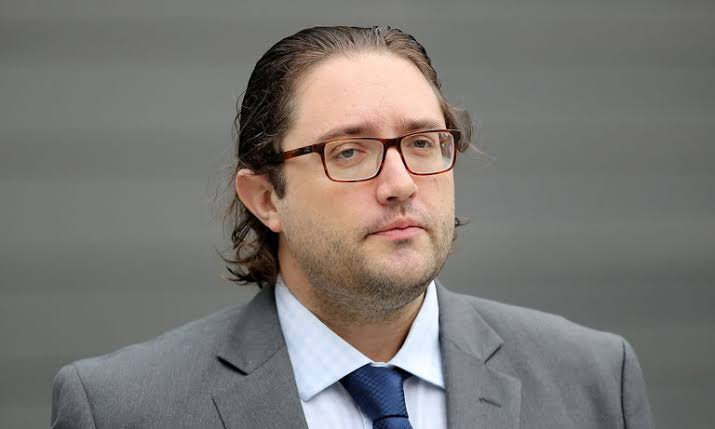
Concerns about spending added another layer to the crisis. Reports described expenditure involving private flights, luxury hotels, yacht events and international hospitality. Tom Goodhead, the firm’s co-founder and former chief executive, denied misconduct and maintained that the expenses supported legitimate international business activities.
Disagreements reportedly developed between Goodhead, other senior figures and the firm’s financial backers over budgets, governance and strategic control. Goodhead was replaced as chief executive and later left the board completely. Several senior lawyers also departed during the restructuring, increasing uncertainty about the firm’s operational stability.
What the Funding Crisis Means for Claimants

Source: amicuscapitalgroup.com
Clients represented in mass litigation depend on their lawyers having sufficient resources to compete with well-funded corporate defendants. If financing becomes unstable, cases may face staffing problems, delays or changes in legal leadership. Claimants may also worry about how much of any eventual compensation could be deducted to cover legal and funding costs.
Pogust Goodhead has continued to state that it remains committed to its clients and independent in its legal decisions. It has obtained additional financial support for the BHP proceedings and entered a strategic partnership with Quinn Emanuel for the damages phase of that litigation.
The new arrangements may provide stability for the firm’s most valuable case, but they also demonstrate its continuing reliance on outside capital. Transparent funding terms and effective financial controls will be essential for rebuilding confidence among claimants and employees.
Conclusion
Pogust Goodhead’s debt crisis reflects the risks of combining rapid expansion with extremely expensive litigation. Borrowed money enabled the firm to pursue claims that might otherwise have been impossible, but delays and increasing obligations placed its finances under severe pressure. New funding may keep major cases progressing, yet long-term recovery will depend on controlling costs, maintaining legal independence and converting successful proceedings into sufficient revenue to meet the firm’s debts.